| |
OPERATIONS OVER CUBA
Updated March 1, 2009 Look for for most recent additions Contributions are invited

 Navy Unit Commendation Ribbon
In short, we photo-beanies were most appreciative of the fighter guys who were there to cover us in spades...What a wonderful thought it was to know that they were waiting for us at our exit from the beach. And when we did, they would radio to say that our tails were clear. -Capt. Ed. Feeks

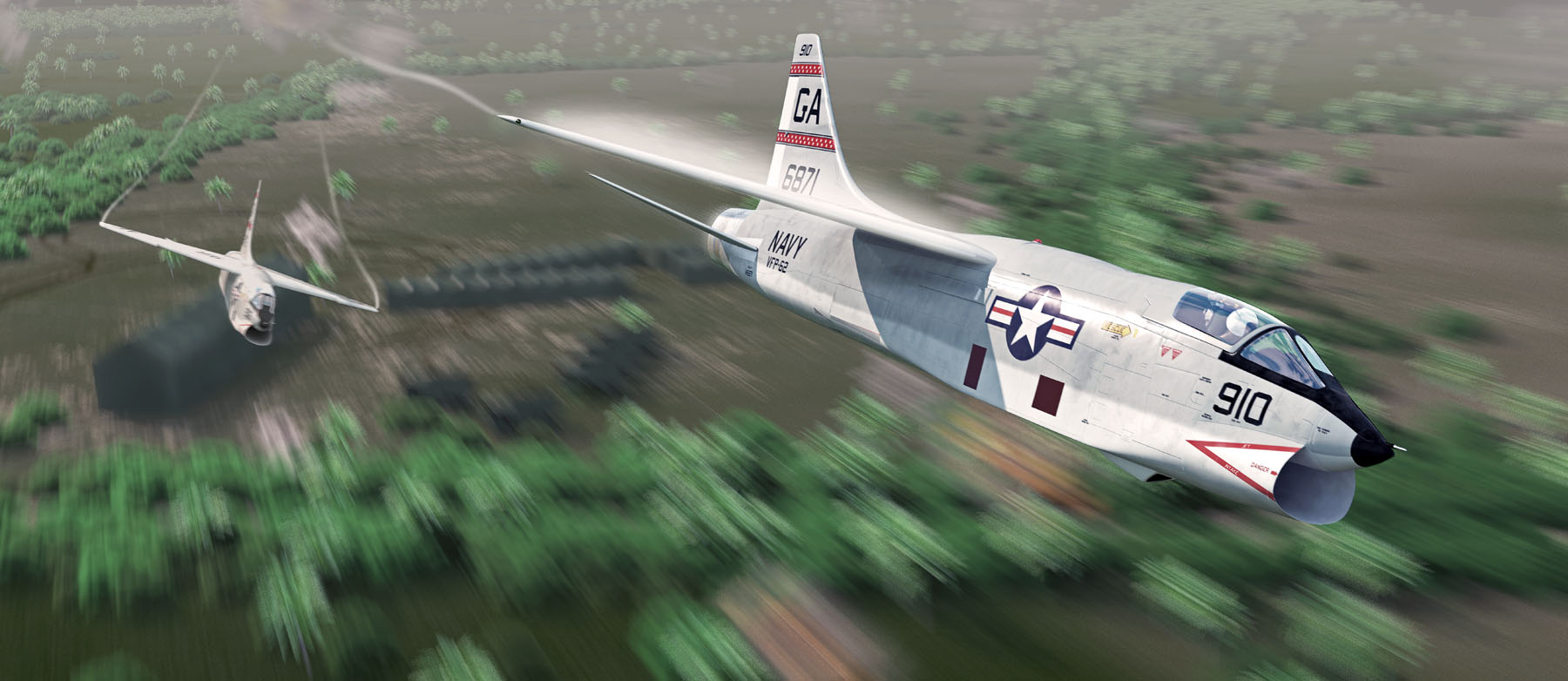
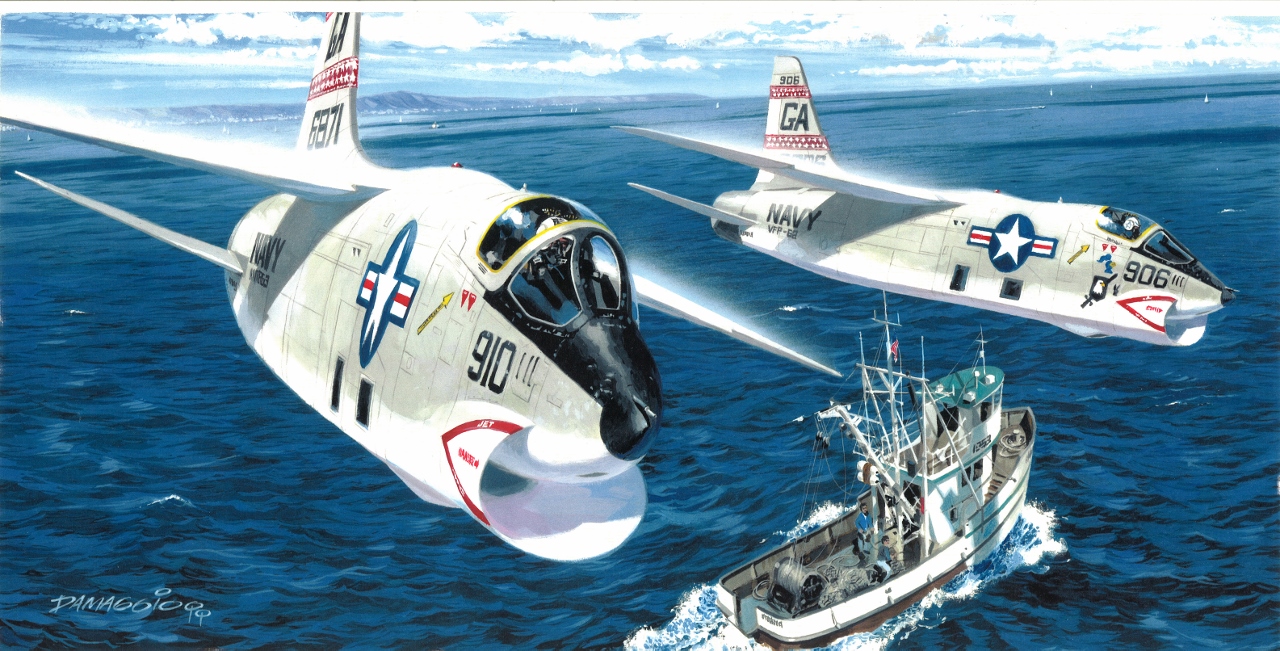
Painting by the movie, "13 Days", storyboard artist. It depicts a couple of VFP-62 photo Crusaders leaving Cuba, low over the water & a Cuban fishing boat. Contributed by Dave Johnson, former F8 pilot, a resource for the film, and webmaster of Gunfighter's Site
Click on pictures to enlarge
Overview
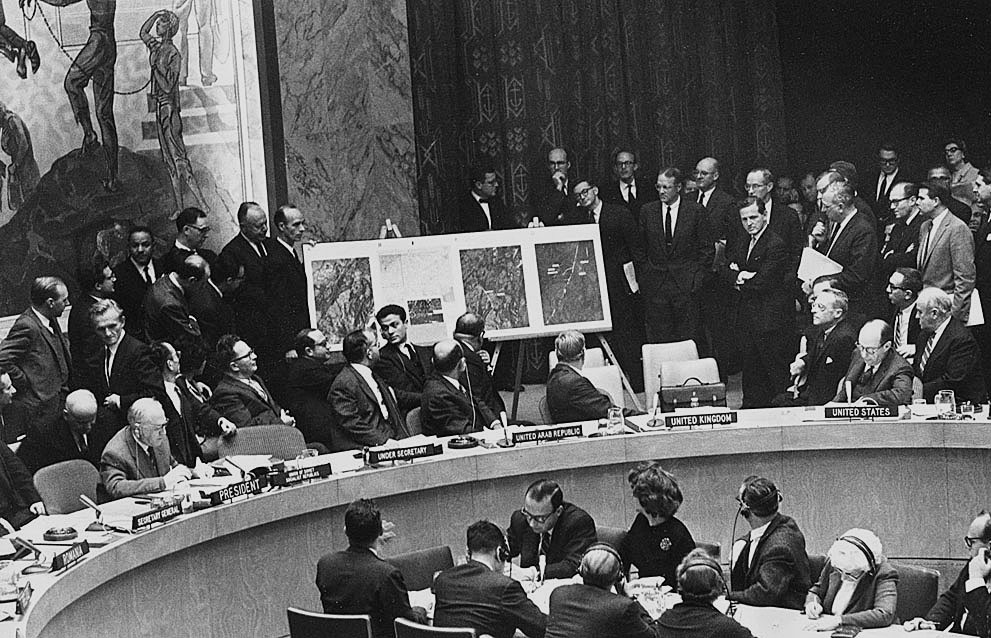
During the Cuban Missile Crisis, the United States first learned that Russia was moving nuclear tipped missiles to Cuba by the U2 photo reconaissance plane. The U2 flew at very high altitudes and made the first discovery of the missiles. However, there was a need for closer to the ground photographs to determine with more detail the nature of this threat. This required the supersonic RF-8's capabilities.
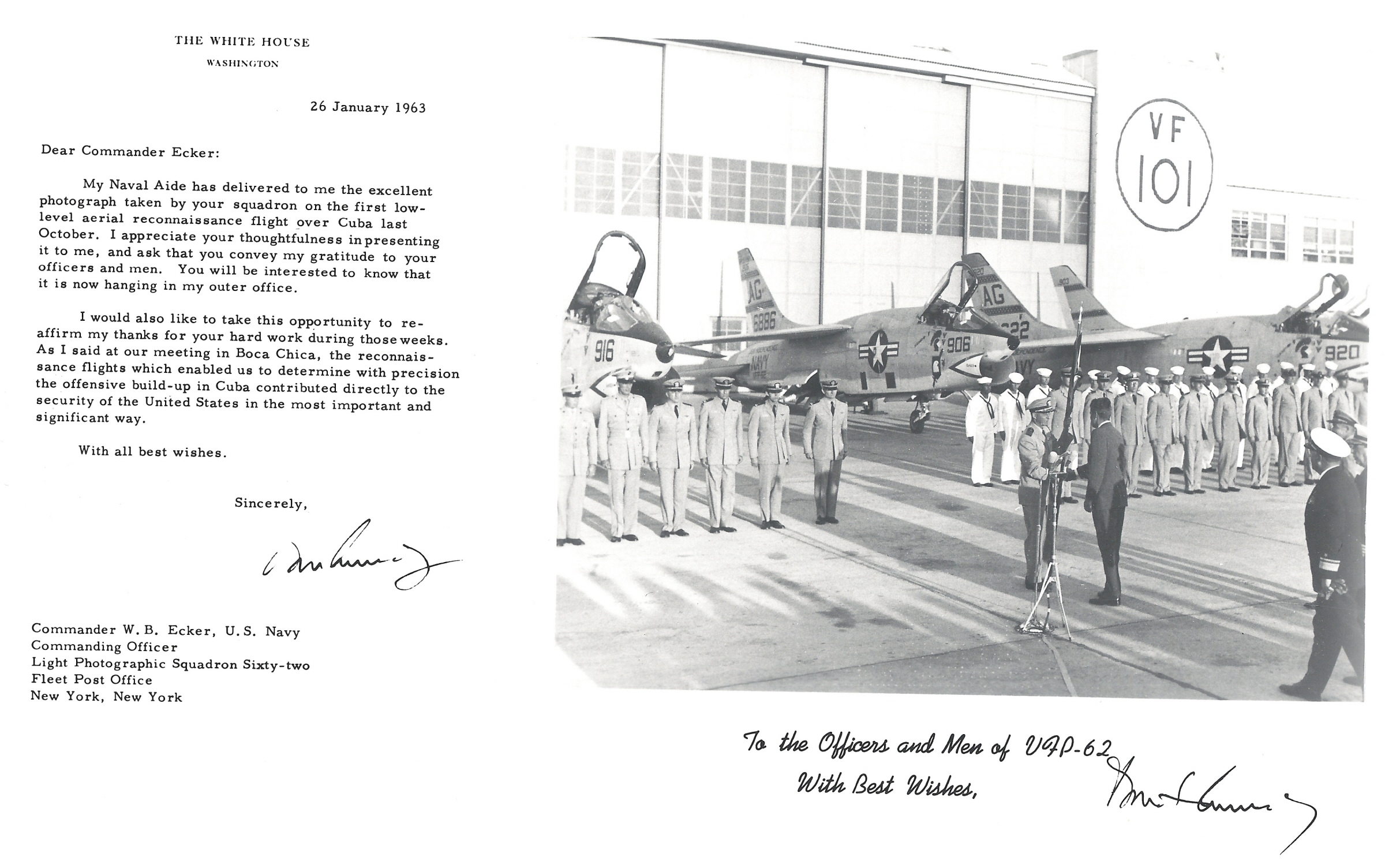
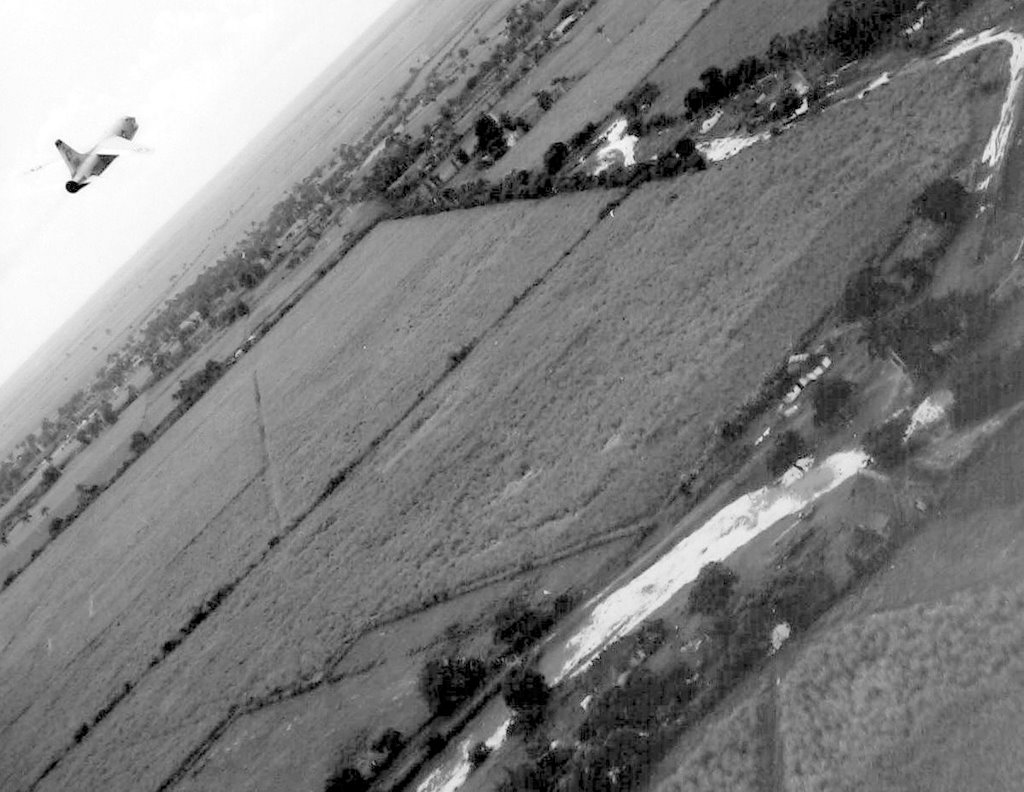
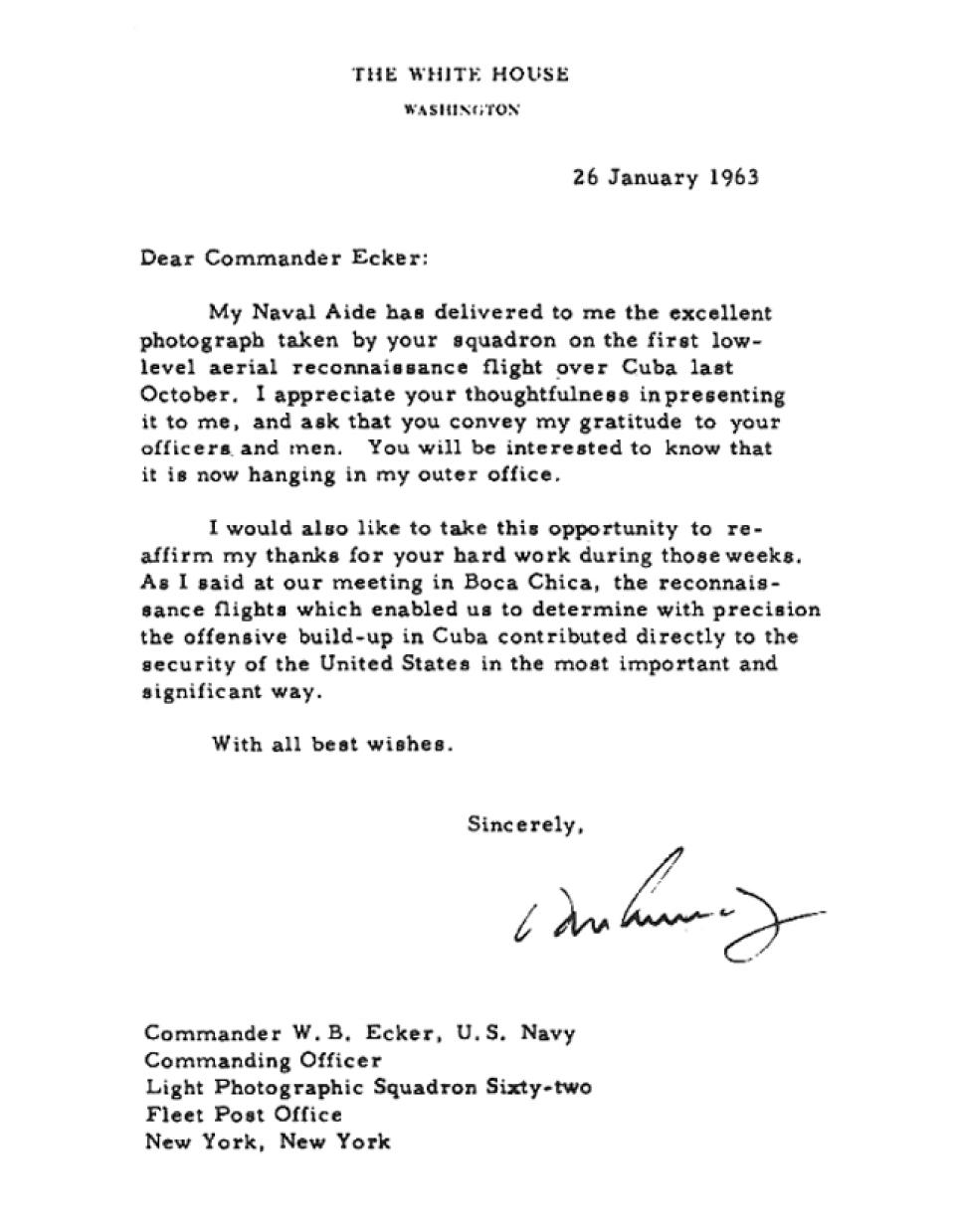
VFP-62 flew missions over Cuba and provided the photographic evidence President Kennedy needed to confront and evenutally eliminate the threat. VFP-62 RF-8s also flew photo missions over Russian ships coming towards Cuba to determine the nature of their cargo. When Russia decided to pull out the missiles, RF-8s followed the ships back to Russia. The RF-8s flew low and fast and none were shot down.
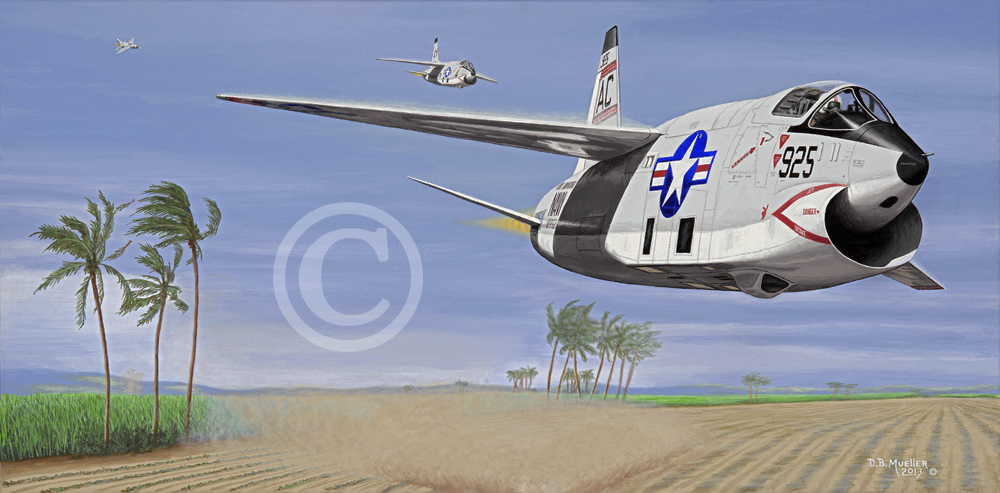
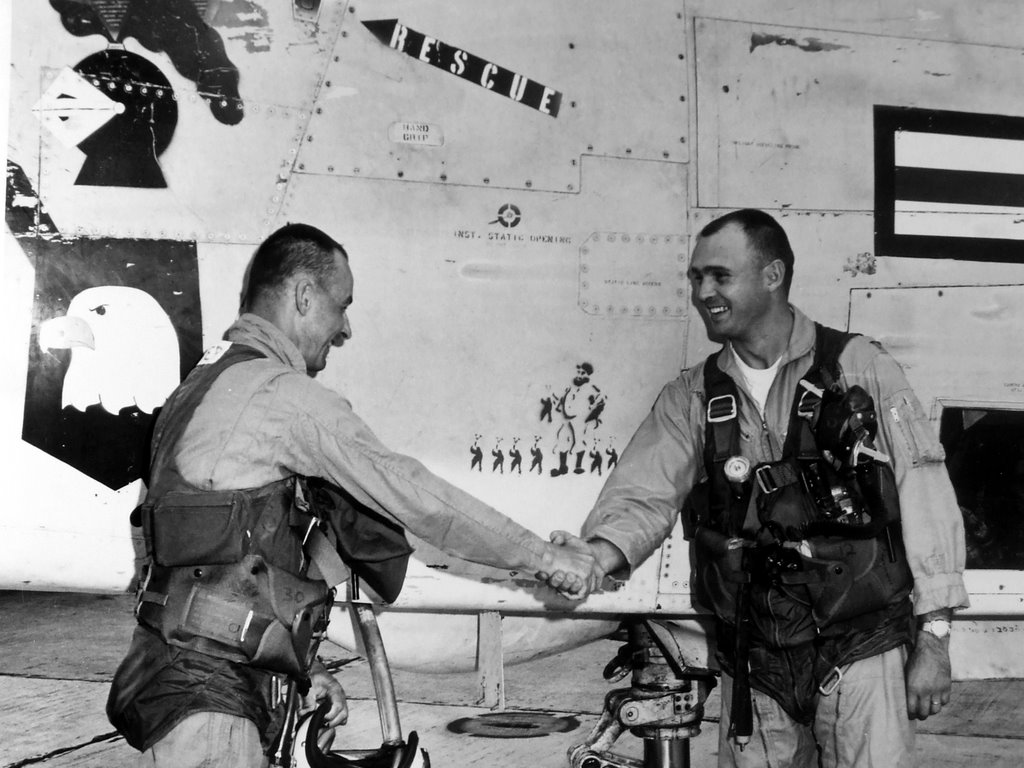
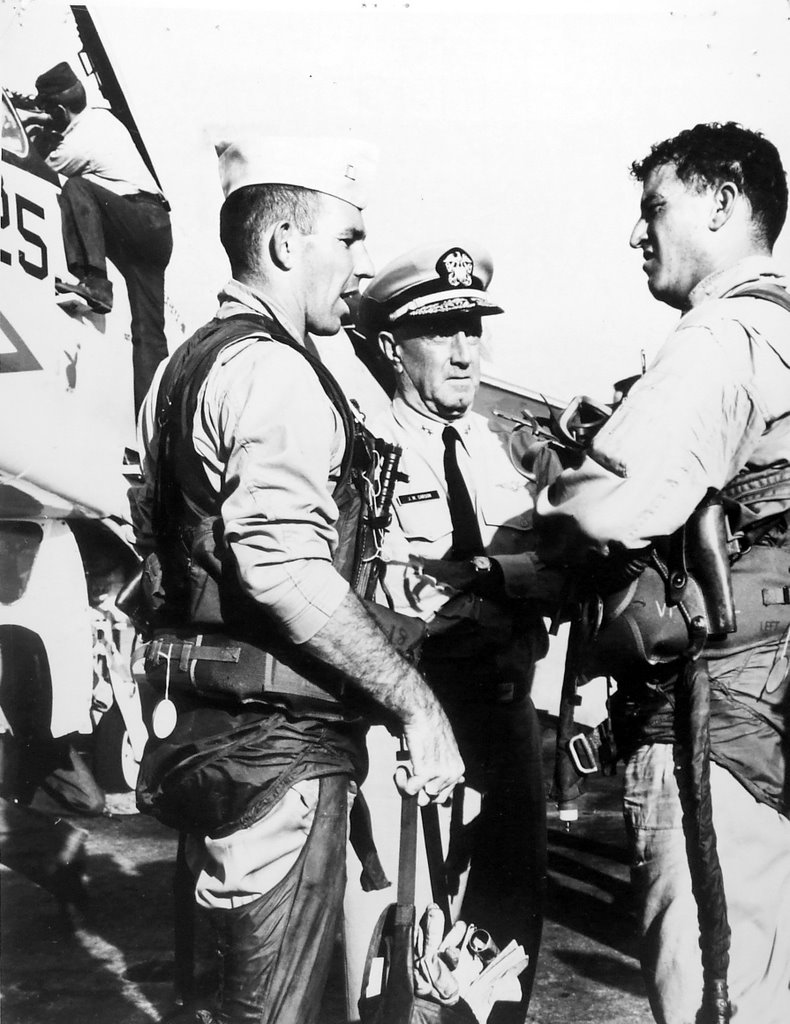
Crusader overflights of Cuba began on 23 October 1962, under the code name "Blue Moon". Flights of RF-8As from Navy reconnaissance squadron VFP-62, operating in several pairs of aircraft with each pair assigned a different target, left Naval Air Station (NAS) Key West twice each day, to streak in over Cuba at low level, then return to NAS Jacksonville, where the film was offloaded and developed, to be rushed north to the Pentagon. Four Marine pilots were temporarily assigned to VFP-62 for the missions.[See VMCJ-2 story below]
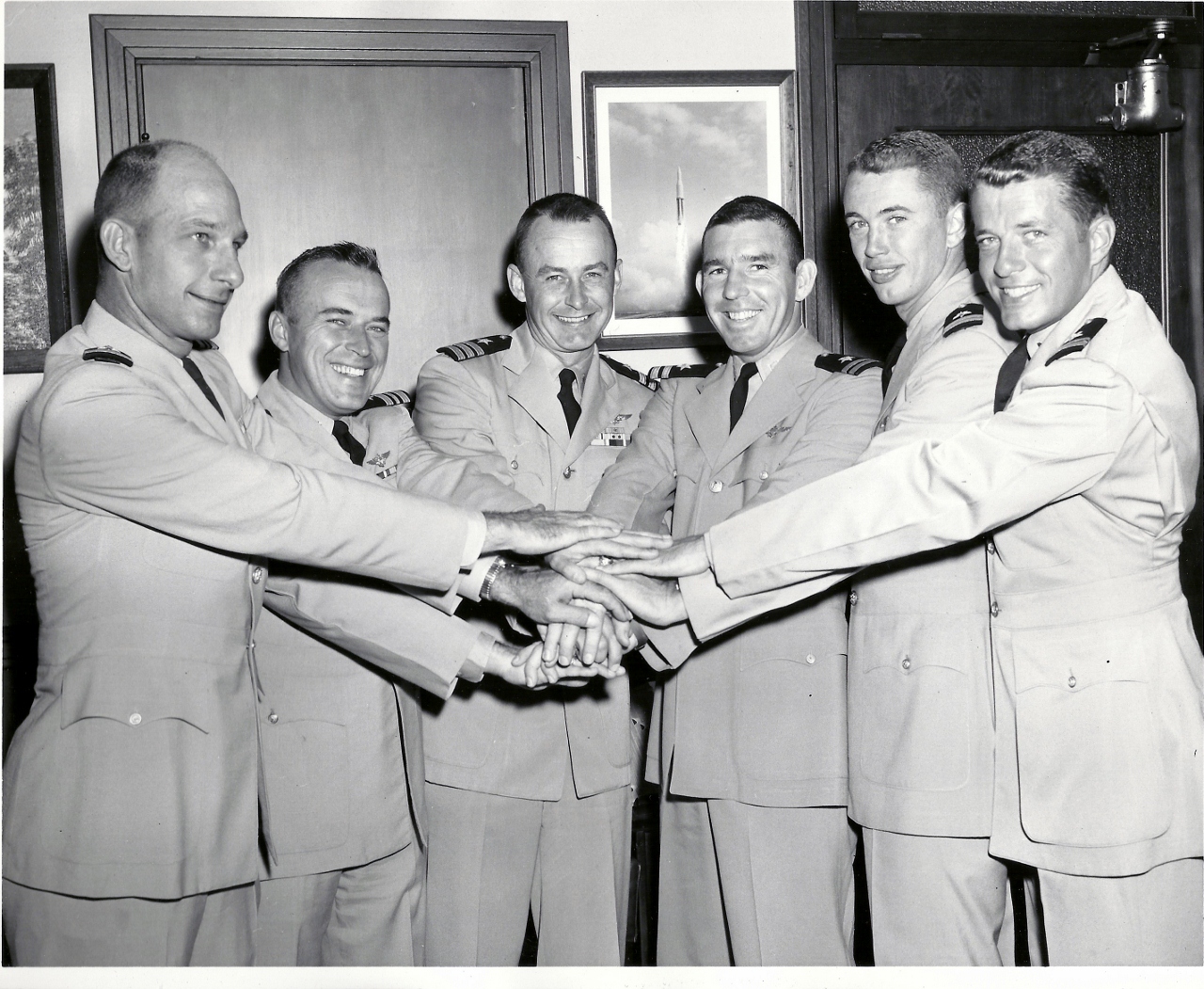
VFP-62 pilots received the Distinguished Flying Cross (Nov. 29, 1962):
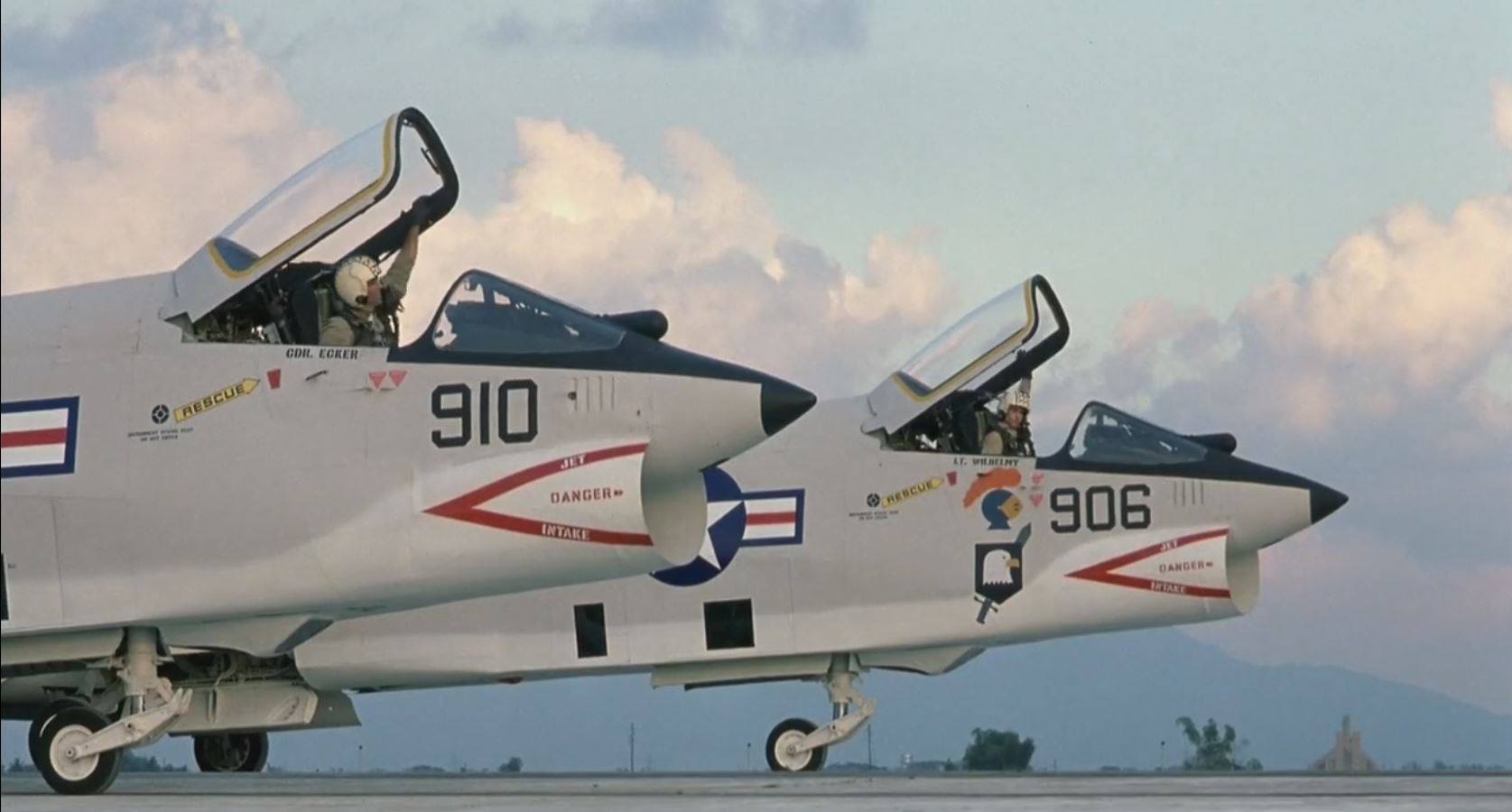
- CDR. W. B. Ecker
- LCDR. J. A. Kauflin
- LCDR. T. T. Riley
- LCDR. A. R. Day
- LCDR. W. N. Kelt
- LCDR. E. M. Feeks
- LT. G. L. Coffee
- LT. C. B. Wilhelmy
- LT. J. J. Hewitt, Jr.
- LT. W. L. Taylor
- LT. R. W. Chance
- LTJG. T. V. Hallcom
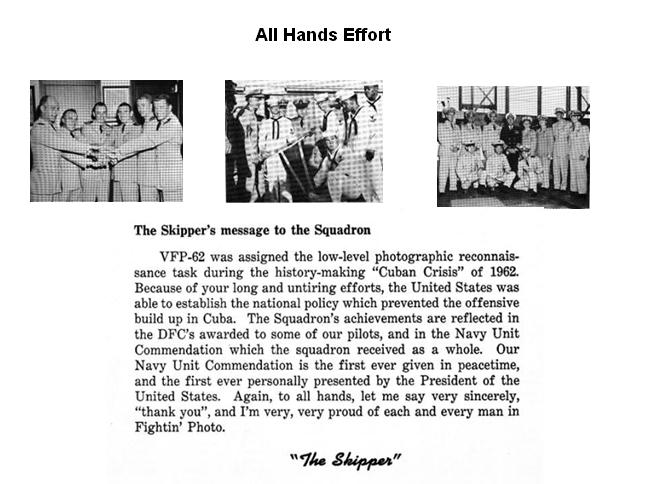
Navy Unit Commendation Ribbon (March 25, 1963):
- Entire VFP-62 squadron
- Navy Commendation Medal CDR R. A. Koch [Squadron Photo Officer]
Four Marine pilots from VMCJ-2 received the Distinguished Flying Cross (see below):
...the Cuban Missile Crisis was no crisis for VFP-62, because we could do anything asked of us...John DeChant CDR USN Ret.
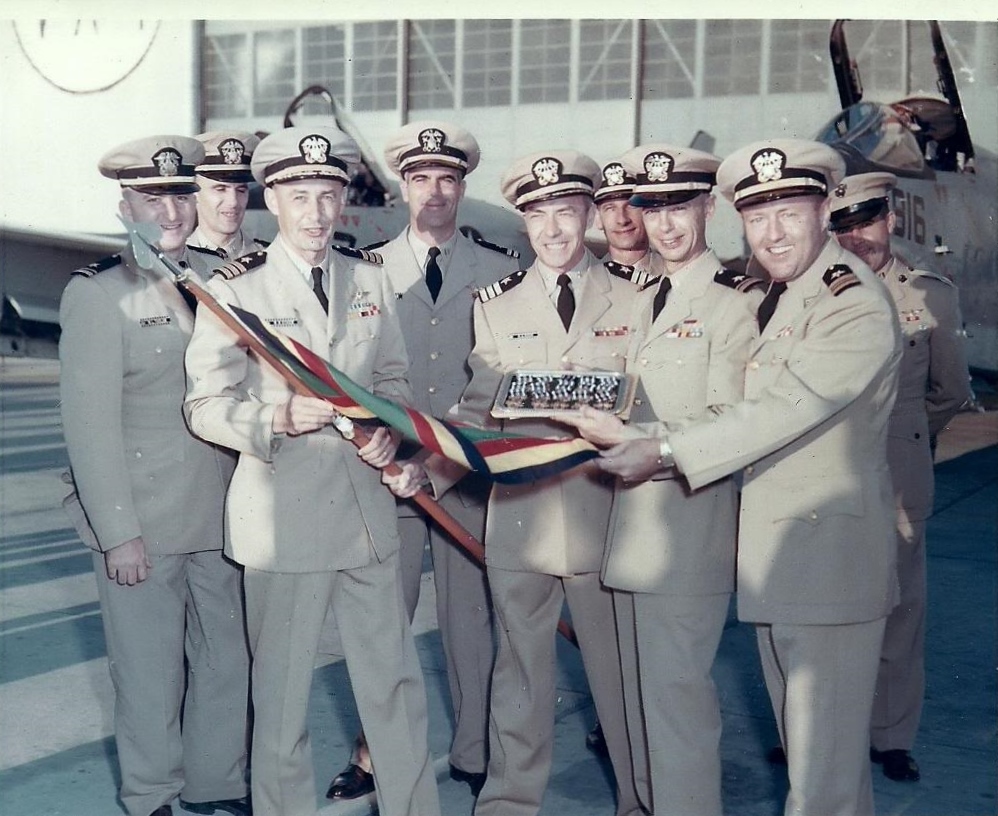
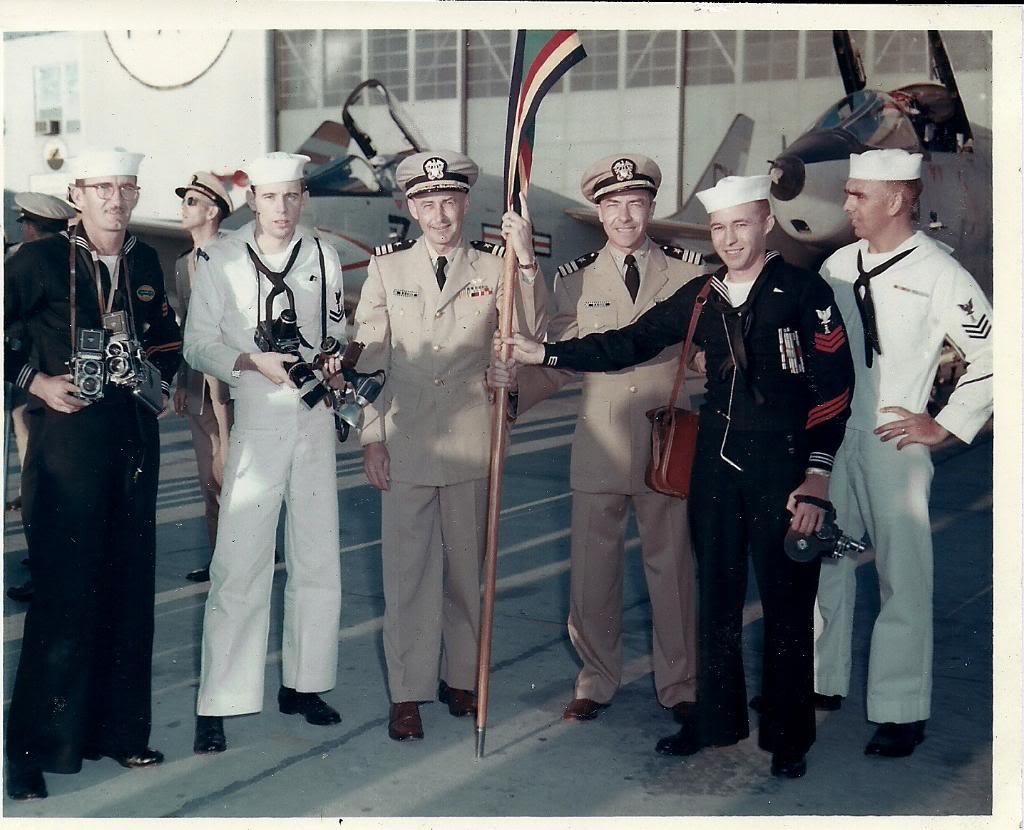
President Kennedy presenting the Navy Unit Commendation to VFP-62 Above photo Courtesy of Bill Hile -- Click on picture to enlarge
"It was truly an exciting time." Cdr John DeChant
"We did not have much build-up time...[for] The Cuban missile crisis; We had 29 aircraft, 7 Detachments, using 20 of them, and 2 not flyable (cannibalized). We only had 2 or 3 with the new 5 inch format Chicago Aerial Cameras installed, that worked. The mission called for 8 camera ready Birds, and we had 7. I had never seen so many FLASH messages, and near instant supply response.
We got the word late Monday, and the first mission was set for the following Sunday at 8AM, for 8
camera ready birds to take off from Key West. It took a minor miracle but we did it.
There is a whole lot more to this story that most folks don’t know. Sunny Jim Curry was a J.O. not yet assigned to a detachment and he flew test hops day and night, checking the latest tweek on camera systems. We had to ensure that everything would work at high speed low level (500 ft,550-600 knots). We didn’t usually operate that way. It was truly an exciting time."
John DeChant Cdr, USN Ret and Squadron Maintenance Officer during the Cuban Missile Crisis
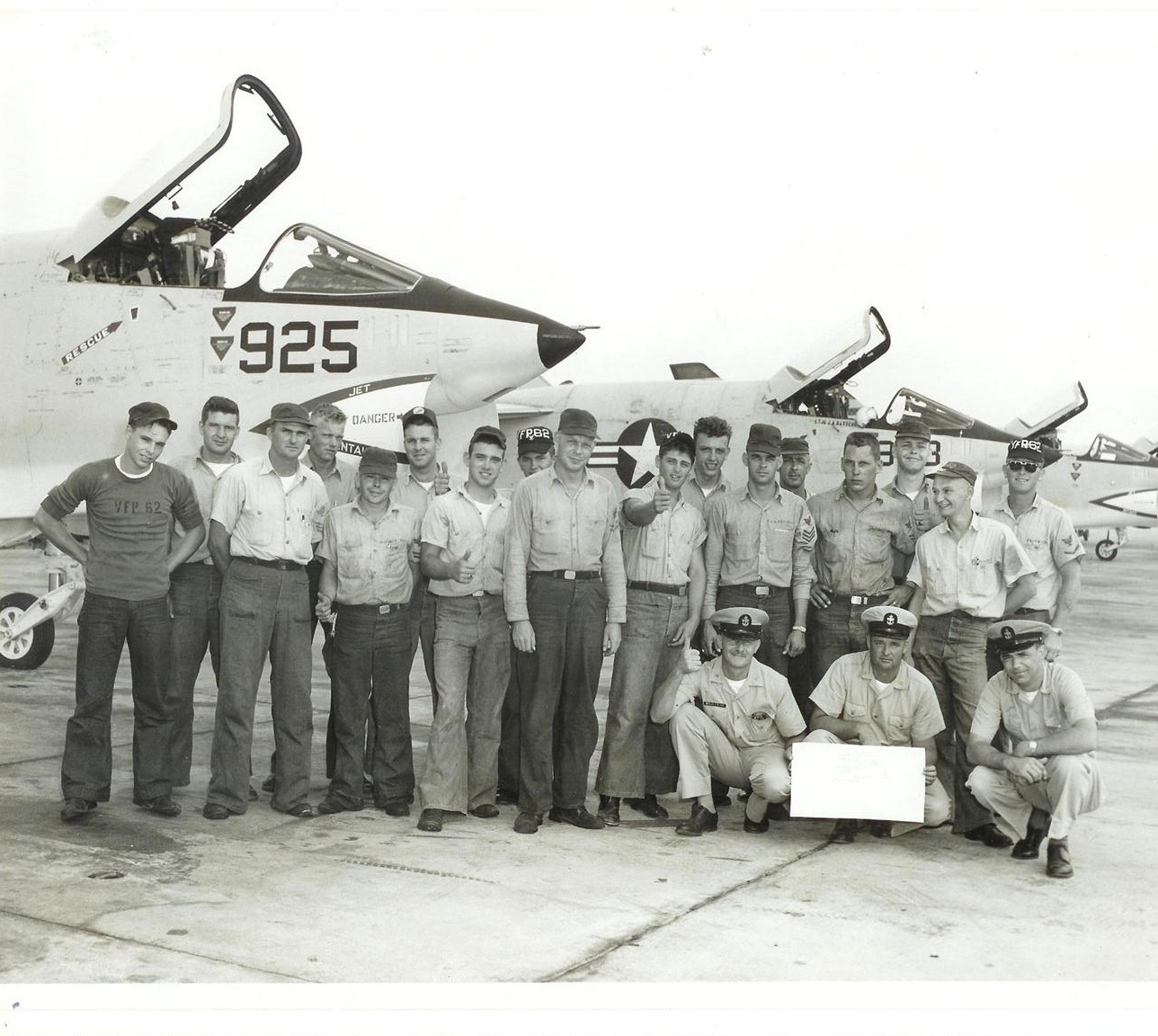
VFP-62 Operations Pictures During Cuban Missile Crisis
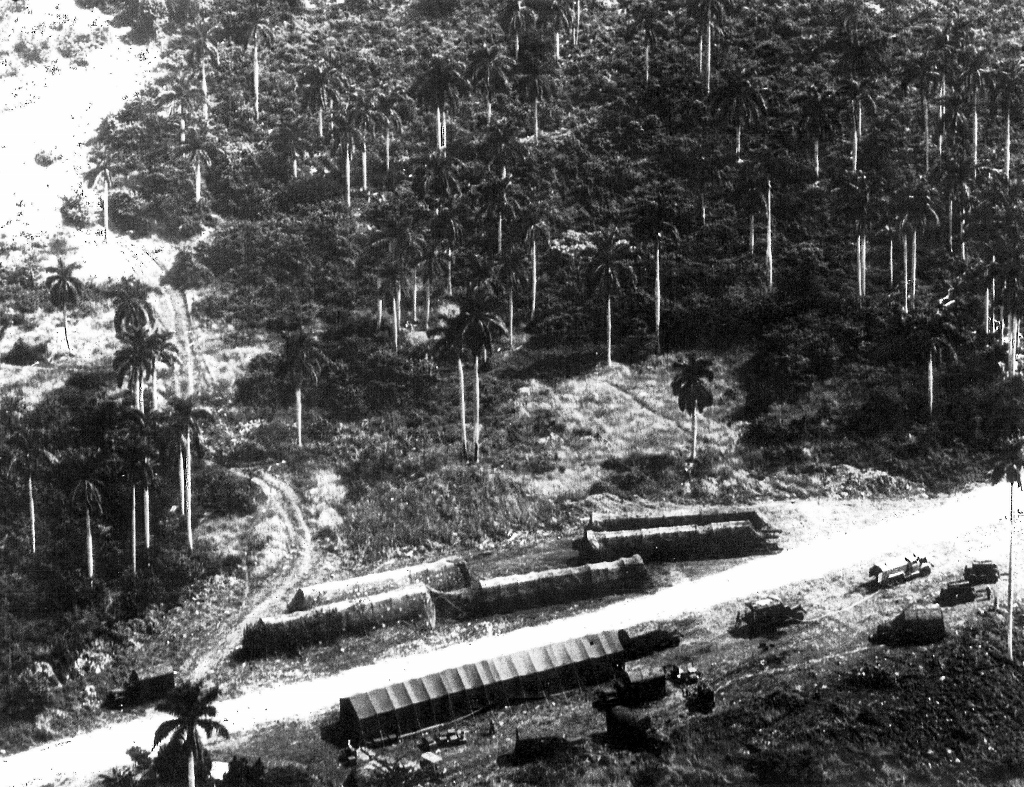
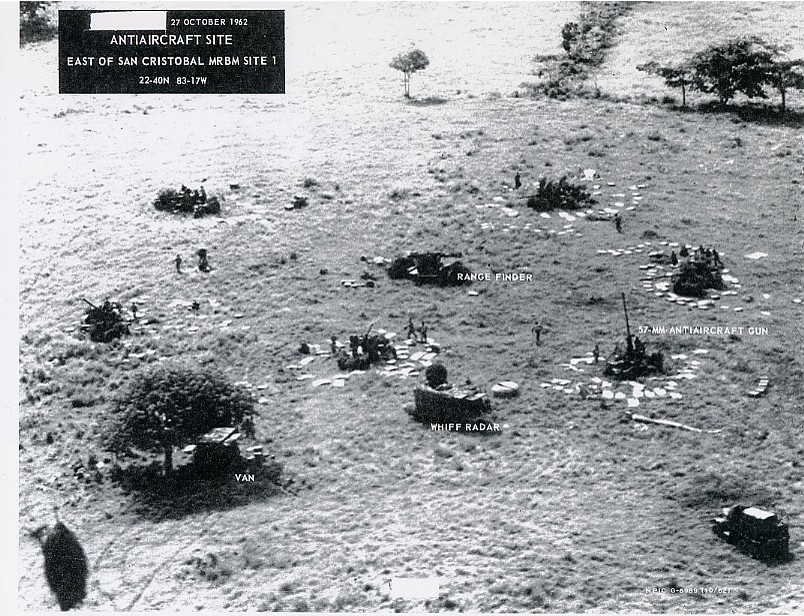
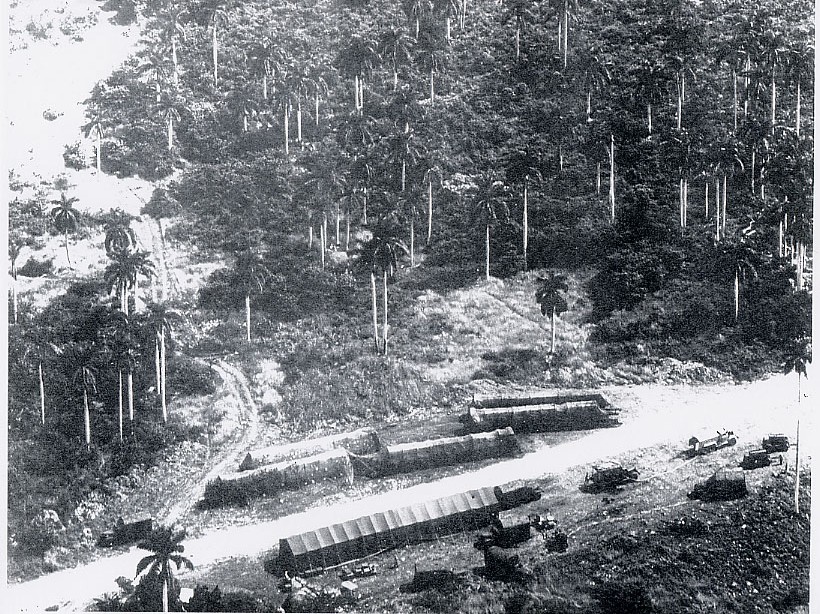
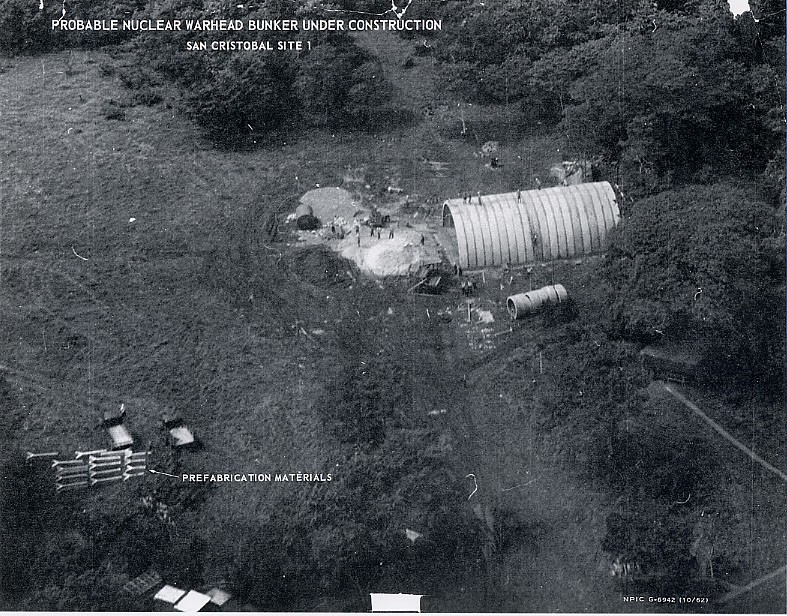
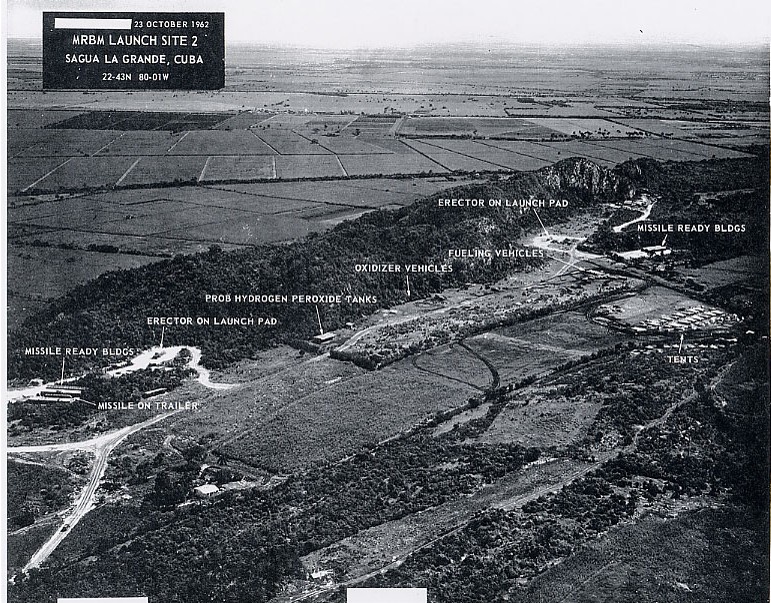
VFP-62 Low-Level Recon Photos Russian Missile Installation
Click on photos to enlarge. The enlarged photo can be further enlarged in the Browser window. Use the "Back Arrow" to return to this page. Copies should be made from the enlarged photo. Use the "right mouse button" and select "Save As". This will be saved to your computer in the folder you choose.

Click on photos to enlarge. Note: photo can enlarge further in new window.
Credits: Hi Ken & Owen:
I talked to my Dad [Capt William Ecker, CO VFP-62 during the Cuban Missile Crisis] a few days ago on the phone about the need for a glossy picture of a Russian Missile Base. He said that he did not have any; however, I asked him to call Mr. Dino Brugioni, who was a Senior Official at the National Photographic Interpretation Center during the Cuban Missile Crisis and to ask Dino for some pictures. Mr. Brugioni wrote the book "Eyeball to Eyeball: The Inside Story of the Cuban Missile Crisis" and he and my Dad developed a friendship based on their both being involved in The Crisis.
Well, my Dad must have called him because I just received 6 beautiful glossy photos from Mr. Brugioni. I'm not sure that 2 of them are what you are looking for; however, the remaining 4 are actual photos of Russian Missile Bases and 2 of them might be just what you are looking for. They have the equipment within the base labeled and (in my opinion) would be perfect in an exhibit.
David Ecker [son of Cdr. W.B. Ecker]
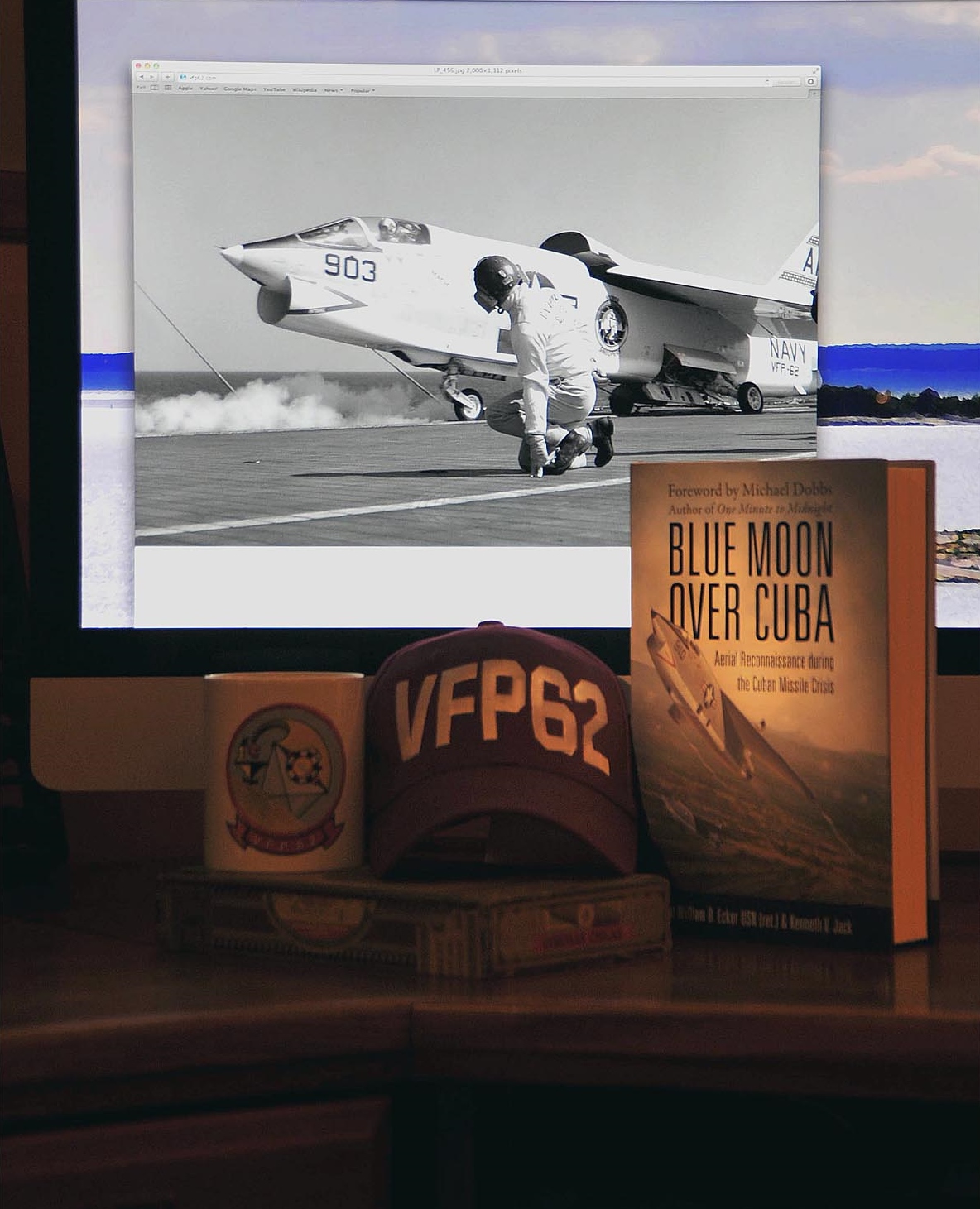
[Webmaster's Note: These photos will be part of an exhibit show case, by the RF8 Crusader, restored at Battleship Park, Mobile AL. The exhibit case contains memorabilia, donated by VFP-62 squadron members, to inform the public on the role VFP-62 and the RF8 played in the Cuban Missile Crisis. Our thanks to Owen Miller, Battleship Park, for scanning these photos for our site.]
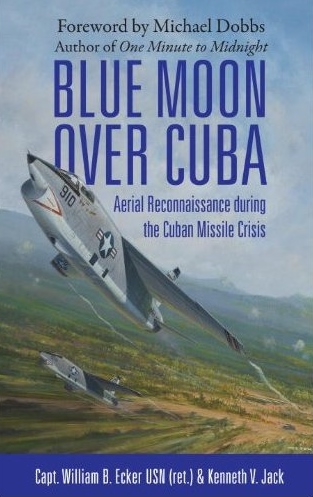
New Book on Cuban Missile Crisis Including VFP-62 Missions & Photos
"One Minute to Midnight" by Michael Dobbs
- Michael Dobbs is the first Cuban missile crisis researcher to make use of the raw intelligence film shot by U.S. Navy Crusader jets over Cuba. Dobbs uses the film to pinpoint the location of Soviet nuclear bunkers in Cuba and to recreate several Blue Moon missions over the missile sites.
The book, "One Minute to Midnight" also includes a detailed account plus photographs of the missions of Commander William Ecker and Lieutenant Gerald Coffee. Coffee was commended by the Navy for diverting from his planned flight route on October 25 to take the first photographs of nuclear-capable Soviet FROG missiles. As a result of Coffee's photographs, the Pentagon revised its entire invasion plan for Cuba.
Here is a link to purchase the bookOne Minute to Midnight from Amazon.com
Click for : Book Reviews
The Marine Corp Contribution to the Cuban Missile Crisis
Click on following links for more information
|
Before the October Flights, "We were Watching"
[Webmaster's Note: VFP-62 pilot, Phillip J. Smith (P.J.) provides this little known history of U2 and VFP-62 RF8 reconnaisance flights over Cuba in the Spring of 1962. We are requesting any additional information.]
P.J.'s account:
"Skipper [George] Winslow alerted me that we would be flying that weekend. I had no clue as to where we might be going. He briefed that if either went down, flight was to return to Cecil Field. As we continued out over just south of the Bahamas I recognized that we were headed for Cuba. Skipper had said that we would make some photo runs and they would be done on mike clicks, no voice commands.
I do not recall altitude of runs that we made over Cuba but we ran out of film and got out of there!
We landed at Homestead AFB and film was removed by people I had never seen before, nor have ever known again. What happened to that film?
Skipper told me not to log flights and do not discuss with anyone! Until recently I have not!
The irony of it all was that Lt Glen Hyde, [USAF] U2 pilot, also went down during those early days, in addition to Major Rudolph...(See story this page...Webmaster). Only a few years ago Lt Hyde was found still in the cockpit in the Gulf. [Webmaster: we are still trying to determine what brought the U2 down; hostile fire or mechanical problems. Information requested]
Glen and I were friends from the same neighborhood in La Grange , GA. Our families were close and I am still in touch with his younger brother!
A few years back I authorized the VFW to look at my service jacket to
verify eligibility. It was only then that I discovered the Naval Expeditionary Medal (CUBA)
award. Skipper Winslow never told me that he had written that up either, it was
news to me."
Email the -VFP-62 Webmaster to send information or comments.
Some Great EXTERNAL Links for More Cuban Missile Crisis Information
Before the Cuban Missile Crisis, There was The Bay of Pigs Invasion and VFP-62 "Gray Ghosts"
Frank W. Schrader,AE2, Det 41-60 USS Independence, recalls painting their RF-8's (F8U-1P's) all gray and their mysterious mission during the Bay of Pigs
"Any man who may be asked in this century what he did to make his life worthwhile ... can respond with a good deal of pride and satisfaction, 'I served in the United States Navy.'" President John F. Kennedy, 1963, Annapolis MD

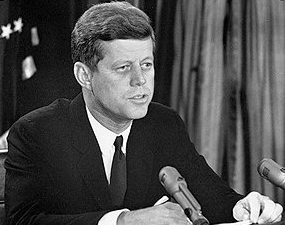
Photo: John F. Kennedy addresses the nation during the Cuban Missile Crisis.
|